Druze History at a Glance
The Druze are an indigenous Middle Eastern ethnoreligious community whose faith blends Greek philosophical thought with a deep spiritual tradition centered on wisdom, reason, and moral responsibility. They are a non-missionary faith that places strong emphasis on family solidarity, where women hold a respected and important status. The Druze uphold honesty, peace, and respect for all humans and religions.
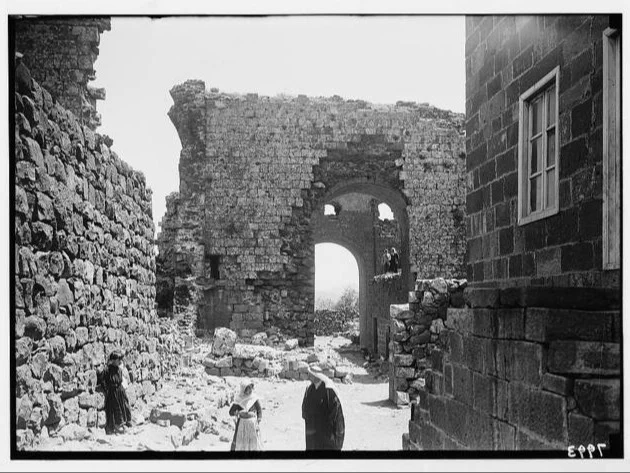
Origins and Faith (11th Century)
The Druze faith emerged during the Fatimid period, centered on a strict belief in divine unity, moral responsibility, and inner truth. Very early on, Druze communities took shape in the mountains of the Levant, where they could protect their distinctive spiritual tradition and way of life.
Mountains and Survival
Facing periods of persecution and political pressure, the Druze found safety in the rugged highlands of what is now Lebanon, Syria, and northern Israel. These mountain communities strengthened a culture of resilience, mutual support, and strong local leadership, while maintaining peaceful relations with surrounding populations.
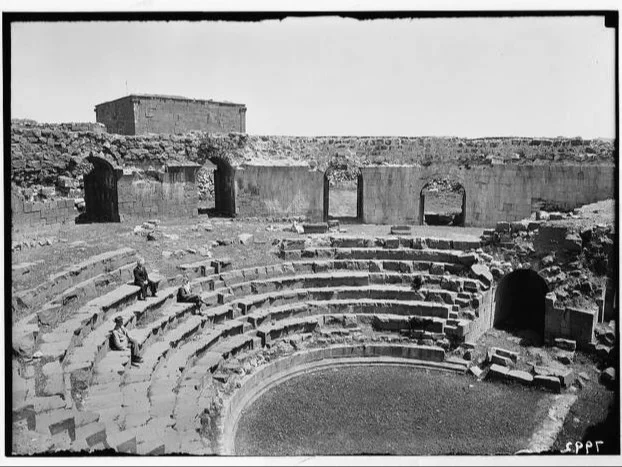
Guardians of the Region
Through the eras of Crusaders, Mamluks, and Ottomans, the Druze often acted as defenders of their lands and as intermediaries between competing powers. Despite their small numbers, Druze leaders helped maintain order in key mountain regions and supported local autonomy, earning a reputation for courage, honor, and reliability.
Modern Era and National Loyalties
In the 20th century, Druze figures played visible roles in independence movements and national life in Syria, Lebanon, and later Israel. Druze citizens have served as soldiers, judges, ministers, educators, and professionals, contributing to state-building while preserving their high values of honor, honesty, bravery and beautiful traditions.
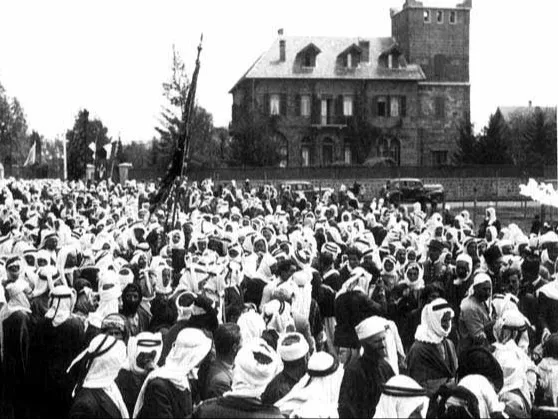
Prominent Druze Figures
Despite their small numbers, many Druze leaders, thinkers, and public figures have left a clear mark on the history of the Levant and beyond:
Emir Fakhr al-Din II al-Ma‘ni
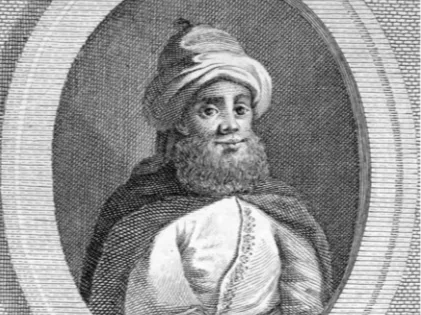
One of the most important rulers of Mount Lebanon under the Ottomans. His name is closely tied to the early formation of modern Lebanon, its openness to Europe, and efforts to organize local administration.
Sultan Pasha al-Atrash
A Syrian national leader from Jabal al-‘Arab (Jabal al-Druze), best known for his central role in leading the Great Syrian Revolt against the French Mandate in the 1920s.
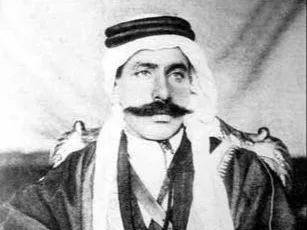
Kamal Jumblatt
A Lebanese thinker and political leader, founder of the Progressive Socialist Party. He championed political reform, social justice, and dialogue between different sects and intellectual currents.
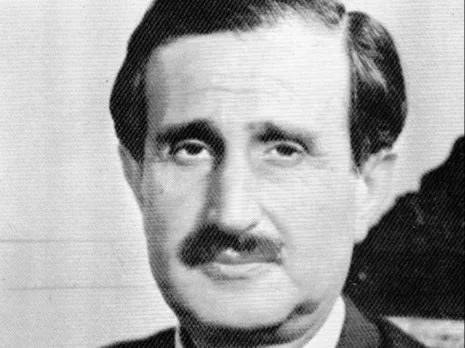
Shakib Arslan
A Lebanese Druze intellectual, writer, and politician, famous for defending Arab and Islamic causes in the early 20th century and for his influential writings in journalism and political thought.
Samih al-Qasim
A Druze poet, known for his national and humanistic poetry and considered one of the major voices in modern Arabic literature.
Druze in the Arts
As Druze migration expanded to Europe, the Americas, and Australia, a growing Druze presence has emerged in fields of thought, art, and creativity in the West, alongside strong achievements in academic and professional life. Some notable names include:
Casey Kasem
One of the most famous radio and television personalities in the United States, longtime host of American Top 40 and the iconic voice of “Shaggy” in Scooby-Doo. He was born in Detroit to Lebanese Druze parents and often spoke about his heritage and values.
Farid al-Atrash
A Syrian–Egyptian musician, singer, and actor from the Druze al-Atrash family, considered a pioneer of 20th-century Arabic music and a major star of classic Egyptian cinema.
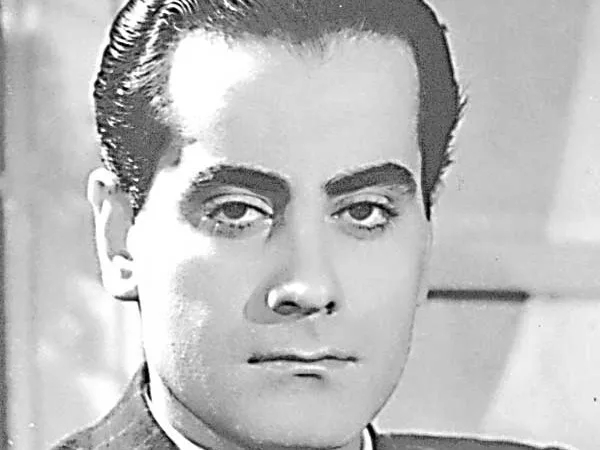
Asmahan (Amaal al-Atrash)
A legendary Syrian singer and actress from the same Druze family, regarded as one of the greatest voices in Arab music history in the 1930s and 1940s, combining her background as a Druze princess with a brilliant artistic career in Egypt.
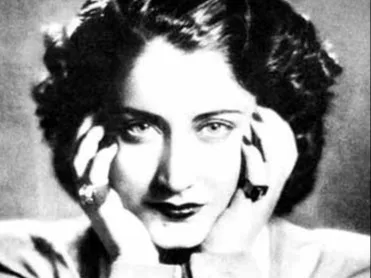
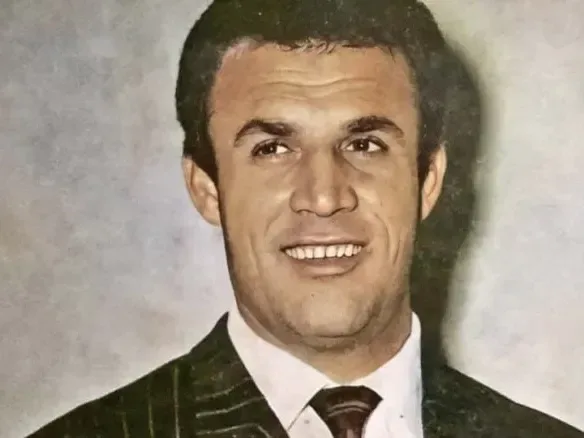
Fahd Ballan
A celebrated Syrian Druze singer and actor from al-Suwayda, famous across the Arab world for his powerful “mountain songs” and charismatic stage presence. Active from the 1950s to the 1990s, he recorded many popular hits, worked in Egyptian cinema, and is often mentioned alongside Farid al-Atrash and Asmahan as one of the iconic Druze voices in modern Arab music.
Alongside these figures, many writers, artists, musicians, and scholars of Druze background contribute today to literature, cinema, theater, visual arts, and academic research across the Western world. Their presence in the West and in the arts complements the historical role of the Druze in the Middle East and shows how a small community can leave a wide impact through knowledge, creativity, and openness to others.